The Economics of Online Gaming: From Free-to-Play to Subscription Models

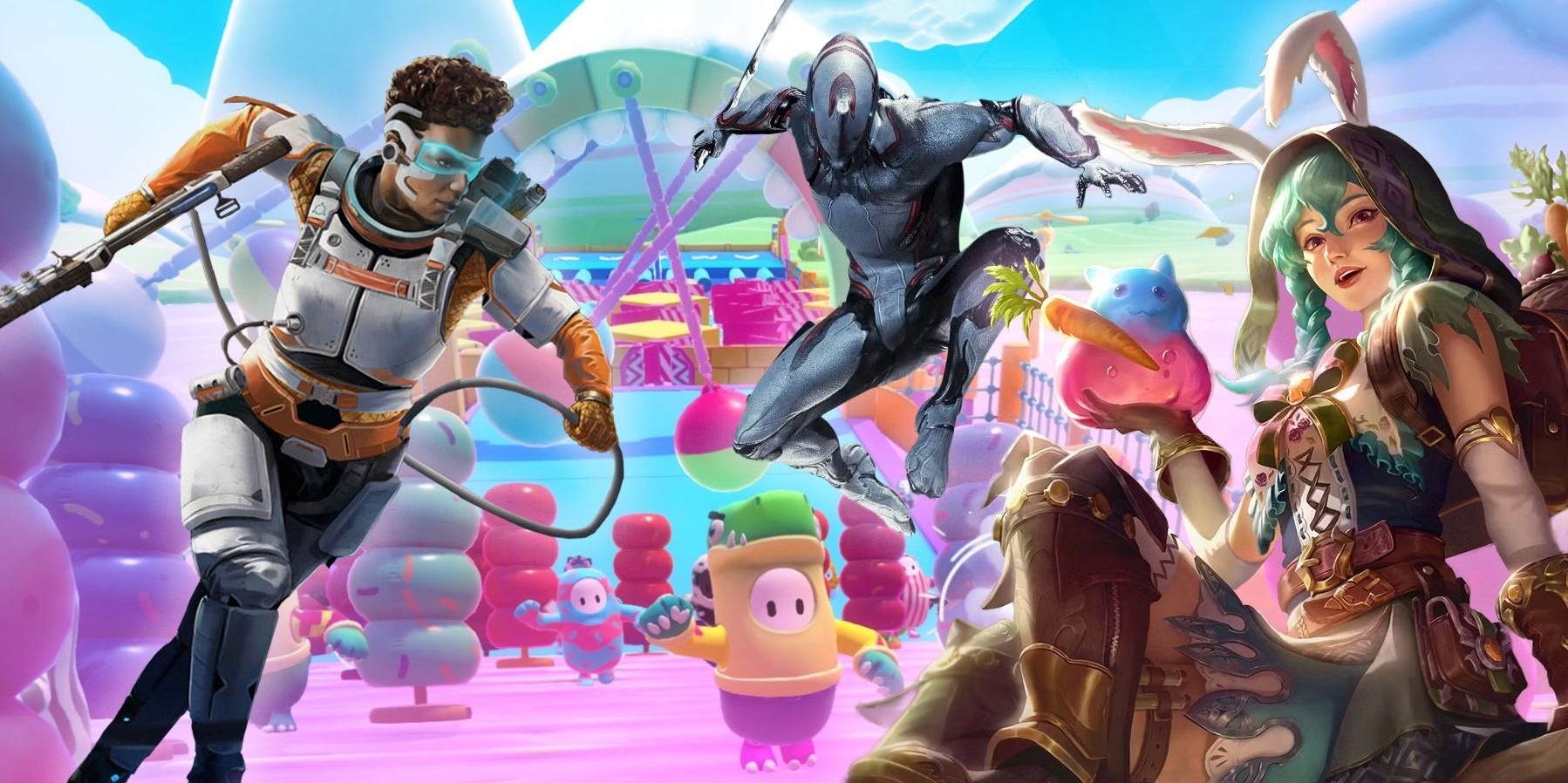
Online https://hoki123.net/ has rapidly grown into a multi-billion-dollar industry, with games like Fortnite, League of Legends, and World of Warcraft dominating the global market. But the way these games make money is not as simple as buying a game and playing it. The economics of online gaming have evolved over the years, with developers experimenting with different revenue models to maximize profits while maintaining player engagement. From free-to-play (F2P) models to subscription-based systems, the business of online gaming is now more diverse than ever. Let’s explore how these revenue models work and why they matter for both developers and players.
1. The Rise of Free-to-Play (F2P)
The free-to-play (F2P) model has become one of the most successful revenue strategies in online gaming. Under this model, games are offered for free, but players can purchase in-game items, cosmetics, and other premium content. This model has allowed games to reach millions of players, as the barrier to entry is eliminated. Players can download and start playing without spending a dime, and then decide whether they want to make purchases as they enjoy the game.
Popular games like Fortnite, League of Legends, and Apex Legends have mastered the F2P model by offering cosmetics, season passes, and battle passes as paid content. These items don’t affect gameplay but give players the opportunity to personalize their experience. The real beauty of the F2P model is its ability to turn millions of players into paying customers, as even a small percentage of engaged players purchasing premium content can generate enormous revenue.
Why It Wins:
- Wide Reach: No upfront cost attracts a massive player base.
- Microtransactions: F2P models rely on small, frequent purchases from a fraction of the player base.
- Cosmetics-Only: Players can enjoy the game for free while offering developers a steady revenue stream from cosmetics and premium items.
2. Battle Passes and Seasonal Content
One of the most lucrative innovations in the F2P model is the introduction of the battle pass. A battle pass is a subscription-like system where players can unlock premium rewards by completing in-game challenges or playing through specific seasonal content. Games like Fortnite, Call of Duty: Warzone, and Rocket League have popularized this model.
The beauty of a battle pass lies in its ability to keep players engaged. As they progress through levels and unlock rewards, they feel a sense of accomplishment and incentive to keep playing. These passes often last for a limited time, which creates a sense of urgency and excitement, encouraging players to return regularly. For developers, it’s a win-win: players are invested in the game, and developers can generate a steady stream of revenue from the sale of the battle pass.
Why It Wins:
- Player Engagement: Seasonal content and challenges keep players coming back.
- Monetization: Battle passes create ongoing revenue from a dedicated player base.
- FOMO (Fear of Missing Out): Limited-time passes encourage players to spend money to unlock exclusive items.
3. Subscription-Based Models
Subscription-based models have been around in gaming for years, with notable examples like World of Warcraft and Final Fantasy XIV. Under this system, players pay a recurring fee—usually monthly or annually—to access the game. While subscription models are less common in modern gaming compared to F2P, they still offer significant revenue for certain types of games.
One of the main reasons subscription models are still successful is the steady, predictable revenue they offer. For games like World of Warcraft, players are essentially locked into paying for access if they want to continue their in-game progress and interactions. Subscription models work particularly well for games that are content-rich, with frequent updates, expansions, and a highly dedicated player base. These games often require constant upkeep, and the subscription fees provide developers with the resources they need to maintain the game and develop new content.
Why It Wins:
- Steady Revenue: Monthly or annual fees create predictable income streams.
- Exclusive Content: Subscription-based games often offer premium content that justifies the ongoing payment.
- Community Focus: Players who pay for a subscription are often more engaged, leading to a stronger sense of community.
4. Paid Games with Expansion Packs
While F2P and subscription models dominate the current landscape, traditional paid games still have a strong presence in the online gaming world. Many games, such as The Witcher 3 or Red Dead Redemption 2, operate on a one-time purchase model, where players pay upfront for the full game. However, developers have adapted this model by introducing expansion packs and downloadable content (DLC) that players can purchase after the initial game release.
These expansion packs offer new content, such as additional missions, areas to explore, or characters to play. For developers, DLC is a way to extend the life of a game and generate additional revenue after the game’s release. For players, DLC provides a chance to expand the game world and experience fresh content without purchasing a completely new title.
Why It Wins:
- Quality Content: Players get a complete game upfront, with additional content available later.
- Post-Launch Revenue: Expansion packs and DLC provide a revenue boost after the initial sale.
- Long-Term Engagement: DLC helps keep the player base engaged with ongoing content.
5. In-Game Advertising
In-game advertising has become another avenue for monetization, especially in free-to-play or mobile games. This model includes advertisements that players see either during loading screens, in-game billboards, or as pop-up ads. While this is a controversial approach for some players, it can be a significant revenue stream for developers, especially when combined with other monetization strategies.
Games like Real Racing 3 and Angry Birds use in-game ads to generate revenue without charging players directly. In some cases, ads can be skipped or rewarded with in-game currency or items, making them less intrusive and more acceptable to players. For developers, this allows for monetization while still maintaining a free-to-play model, appealing to players who want to avoid upfront costs.
Why It Wins:
- Passive Revenue: Generates income without directly charging players.
- Non-Intrusive Options: Players can engage with ads voluntarily in exchange for rewards.
- Suitable for Mobile Games: Perfect for games that rely on large, casual player bases.
6. Hybrid Models
Some games have adopted hybrid models that combine elements of F2P, subscription, and paid content. These games might offer a free version with optional in-game purchases, as well as paid premium versions or subscriptions for enhanced experiences. For instance, League of Legends is free to play, but it offers a paid version with added features, skins, and rewards.
These hybrid models provide flexibility to both developers and players. Players can enjoy the game for free while spending money on cosmetics or premium content, and those who want more exclusive features can pay for a premium experience.
Why It Wins:
- Flexibility: Players can choose how much they want to spend based on their preferences.
- Multiple Revenue Streams: Combines F2P, paid content, and subscriptions to diversify income.
- Wider Appeal: Attracts both casual and dedicated gamers.
7. The Impact of Mobile Gaming
Mobile gaming has brought a new dimension to the economics of online gaming. With billions of people playing games on their smartphones, developers have tapped into a vast audience that may not engage with traditional gaming consoles or PCs. Mobile games often rely on microtransactions, where players spend small amounts of money on virtual goods, skins, or boosts.
Games like Clash of Clans and Candy Crush have mastered this model by offering free-to-play experiences with optional in-game purchases. These games are designed to encourage microtransactions through rewards, limited-time offers, and power-ups. The success of mobile gaming has influenced the broader gaming industry, with even console and PC games adopting similar strategies.
Why It Wins:
- Huge Player Base: Mobile gaming reaches a global audience, including casual players.
- Microtransactions: Players can enjoy the game for free while making small, frequent purchases.
- Accessibility: Mobile games are easy to access and engage with, making them appealing to a wide range of players.
Conclusion: The Future of Gaming Economics
The economics of online depo 1k are constantly evolving, with developers experimenting with various models to generate revenue while maintaining player engagement. From free-to-play games with in-app purchases to subscription-based services and hybrid models, the business of online gaming is as dynamic as the games themselves. As technology advances and player expectations evolve, developers will continue to innovate and adapt, ensuring that online gaming remains one of the most lucrative and exciting industries in entertainment.
For players, understanding these business models can provide valuable insights into how their favorite games make money, and why certain models are more prevalent than others. Whether you’re a casual gamer or a dedicated player, the economics of gaming will continue to shape your experience in the digital world.